
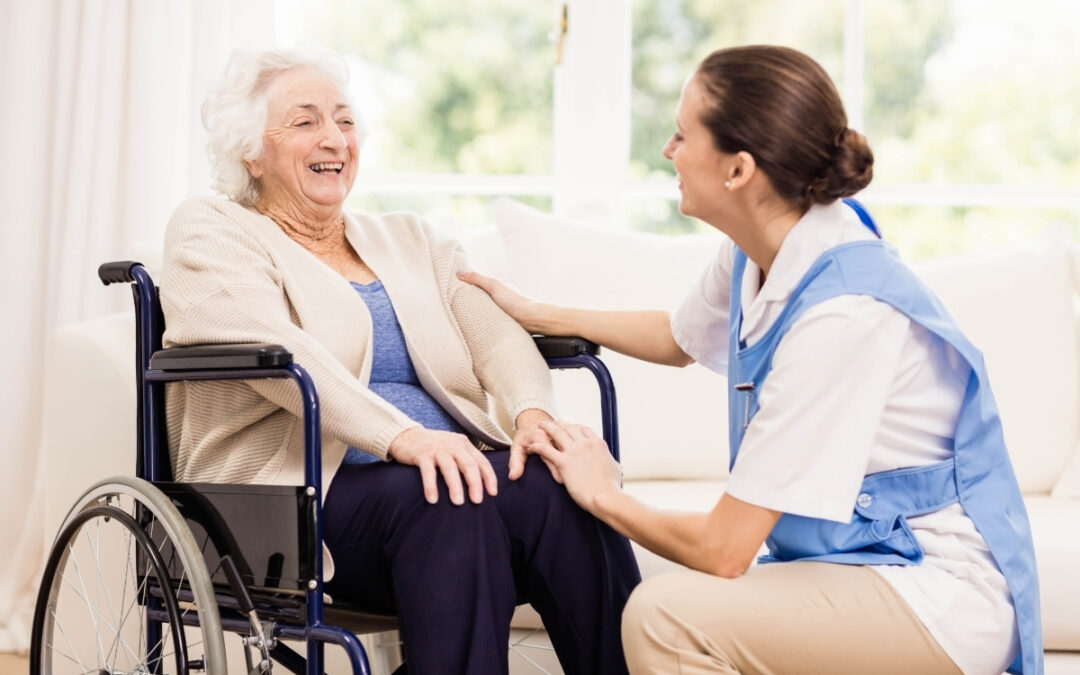
Comfort is a key part of life in a care home, but it should never come at the expense of safety. From well-maintained spaces to attentive staff and clear safety procedures, strong safety practices ensure that comfort is not only felt but sustained.
This article highlights the key aspects of safety in a care home, providing reassurance and peace of mind for both residents and their loved ones.
The Importance of a Safe Environment Within a Care Home
A safe environment within a care home can help protect residents from preventable harm while supporting their independence and well-being. Many residents may have limited mobility, cognitive impairments or ongoing health conditions, which can increase their vulnerability to accidents or illness.
A carefully managed environment helps reduce these risks through thoughtful design, clear procedures and attentive care. When residents feel secure, they are more likely to participate in activities, socialise and enjoy daily life.
Safety in a Care Home Includes:
Infection Prevention and Control
Because residents may have weaker immune systems, infection prevention and control are vital in care homes. Maintaining good hygiene practices, such as regular handwashing, using protective equipment, and thoroughly cleaning shared spaces, helps reduce the risk of outbreaks.
It ensures that residents feel protected and well cared for. Staff are trained to recognise symptoms quickly and prevent spread, helping maintain a healthier and safer living environment.
Fall Prevention Measures
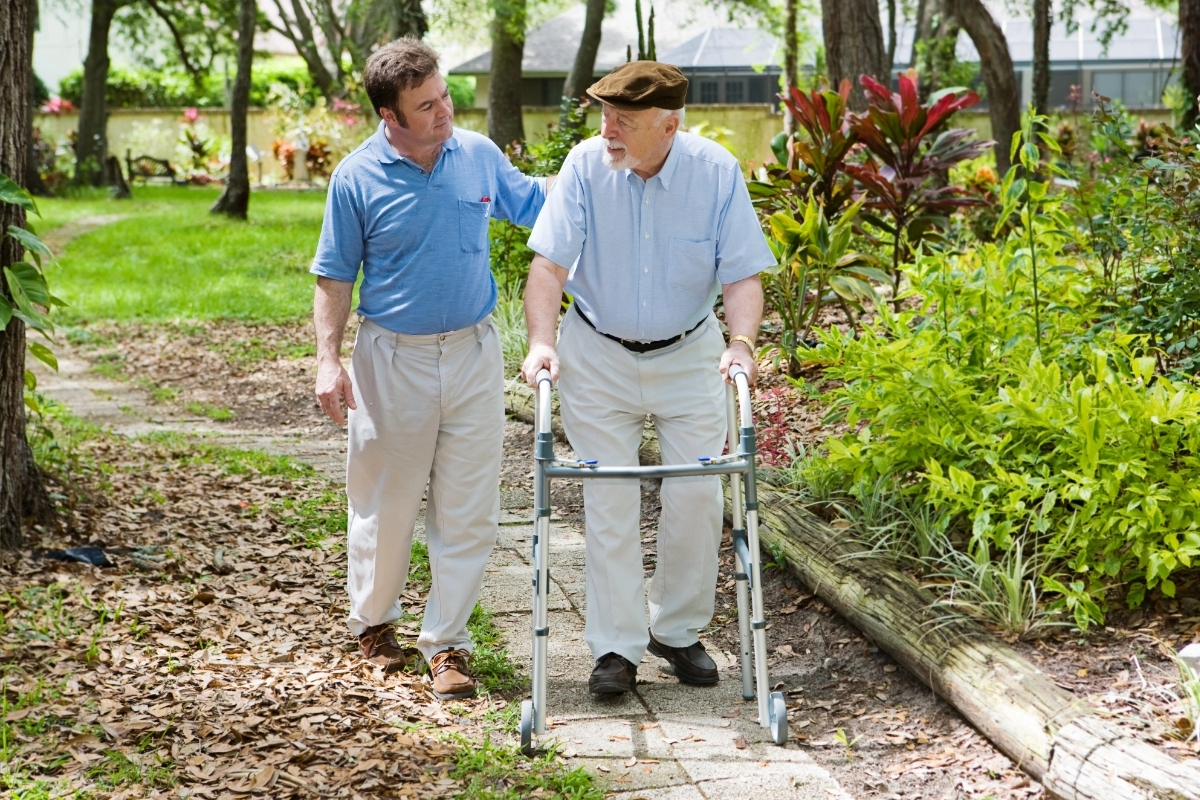
Older adults face a higher risk of falls. As a result, care homes take steps to prevent accidents by assessing mobility, keeping floors clear and well-lit and providing support features such as handrails and non-slip flooring.
Personalised care plans and physical activity programmes are implemented and encouraged to improve balance and strength, helping residents stay safe while maintaining their confidence and independence.
Safe Medication Management
Many residents rely on multiple medications to manage chronic conditions, making accuracy and careful monitoring essential. Staff must follow strict procedures for storing, administering and recording medications to prevent errors.
Regular medication reviews, careful monitoring of side effects and health changes and effective communication among healthcare professionals help ensure that each resident receives medication that is safe, suitable, and beneficial for their individual needs.
Emergency Preparedness and Response
Staff are trained to respond calmly in emergencies, with clear evacuation procedures, accessible exits, and regular safety drills to keep residents protected. Training in first aid also ensures residents receive prompt assistance, helping to minimise risks and keep residents safe in unexpected situations. These measures provide reassurance to both residents and their families that support is always close at hand.
Safe Food Handling Practices
Care home staff are trained to adhere to strict hygiene standards when storing, preparing, and serving food to residents, preventing foodborne illness and ensuring meals remain nutritious and safe to consume. As a result, kitchens are regularly inspected, and staff follow proper food safety procedures, including temperature control, preventing cross-contamination and safely storing ingredients.
Special dietary requirements, allergies, and medical conditions are also carefully considered when planning meals to ensure that mealtime is both enjoyable and safe for all residents.
Robust Security Protocols
Controlled entry systems, visitor sign-in procedures, and monitored access points prevent unauthorised individuals from entering the premises. For residents living with cognitive conditions such as dementia, security measures can also prevent wandering and ensure individuals remain safe within designated areas. Surveillance systems and attentive staff further support overall security.
How Care Homes Strengthen Safety:
Carrying Out Regular Risk Assessments
Regular risk assessments allow care homes to identify potential hazards before they lead to harm. These assessments review the environment, equipment and individual residents’ needs to identify potential risks. When issues are identified, appropriate actions are taken to reduce them, ensuring safety measures remain effective and responsive to residents’ changing needs.
Improving Staff Training and Awareness
Staff training plays a crucial role in maintaining high safety standards within a care home. Training covers areas such as infection control, safeguarding, first aid and safe handling techniques, among other aspects of attentive care for residents. Additionally, up-to-date workshops keep staff current with practices and regulations, helping them recognise risks quickly and provide safe, attentive care.
Maintaining and Inspecting Safety Equipment
Safety equipment must be regularly inspected to ensure it works properly when needed. Care homes rely on equipment such as fire alarms, emergency lighting, call systems, mobility aids, and medical devices to protect residents and support daily care.
Routine checks help identify faults early, allowing repairs or replacements to be carried out promptly. By ensuring safety equipment is in excellent condition, care homes strengthen their ability to respond effectively to potential risks.
Overall, why is Safety in a Care Home as Important as Comfort?
While comfort helps residents feel at home, safety ensures they can live with confidence and peace of mind. Without strong safety measures, even comfortable environments may expose residents to unnecessary risks.
Effective safety practices protect health, prevent accidents and reassure families that their loved ones are supported in a high-quality care home where dignity, security and quality of life are prioritised.

Hello, my name is Bethany, and I am the owner, manager and third generation in the family business. I have grown up with the Chestnuts, and it is a second home to me and my children. My home/work life is very mixed, and that’s ok because being at work feels like being at home.