
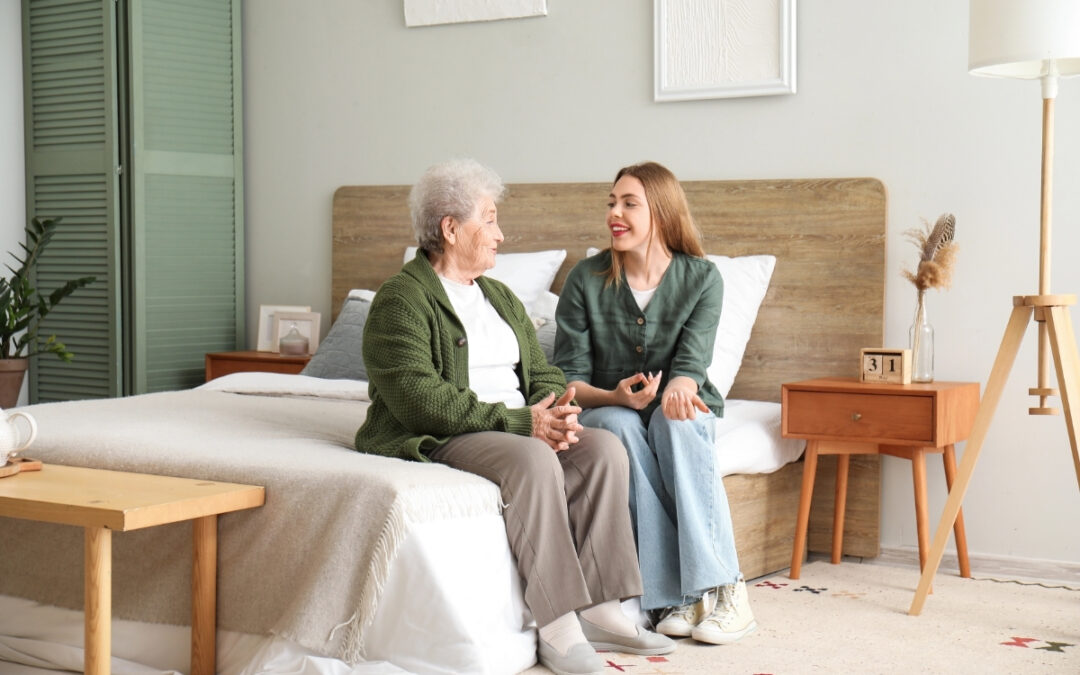
A care home should feel safe, familiar and filled with uplifting energy. That’s why adding elements that are personal to you can make all the difference in creating a place that truly feels like home.
Here are five key things that can help you to relax, build meaningful connections and continue living with purpose.
Add Personal Touches That Reflect Your Life
Adding personal touches to your new surroundings is a powerful way to make your space your own and tell your story. Adding family photographs, treasured artworks, favourite ornaments, and meaningful keepsakes can instantly create a sense of familiarity and emotional comfort.
As well as adding comfort and familiarity to your space, it can naturally spark conversations, helping you connect with others while preserving a strong sense of self.
Clothing also plays a vital role. Wearing familiar jewellery and outfits rather than generic clothing helps you feel more like yourself and supports your dignity, while a personal dressing table with your signature moisturisers, hair products or grooming essentials adds comfort, familiarity and a sense of a normal daily routine.
When your room reflects who you are and where you’ve come from, it becomes more than just a bedroom; it becomes an extension of home.
Create a Space That Feels Like Home
Transforming the décor of your space with furnishings and colours you recognise can instantly have a powerful effect on how you feel each day. You can do this with minimal effort by bringing your favourite bed covers, blankets or pillows from home.
Even small decorative choices, such as curtains, rugs, or wall art, can help splash personal colour and style. Lighting matters too; softer, warmer lighting can help you feel calm and relaxed. When you feel comfortable in your surroundings, you’re more relaxed, you sleep better, and you feel more settled.

Use Memory Boxes to Support Comfort and Familiarity
Memory boxes can be a simple yet effective way to help reduce anxiety, spark memories and reinforce your sense of identity.
You might choose to fill your memory box with photographs of loved ones, small keepsakes or meaningful objects that reflect important moments, hobbies or achievements in your life. Items such as a favourite book, a knitting reel, a postcard from a special place or a symbol of your former career can all help tell your story at a glance.
These memory boxes also make natural conversation starters for connecting on a personal level with staff and residents. Over time, these small displays can provide comfort, encourage interaction and make your surroundings feel more familiar.
Bring the Things you Love Most
Surrounding yourself with the things you love can bring comfort, enjoyment and a reassuring sense of normality to everyday life while living in a care home. Familiar books, music, films and creative activities can help you stay connected to your interests, memories and routines, especially during times of change.
Not only can listening to your favourite music be soothing when you want to relax or unwind, but listening to music alongside hobbies you enjoy, such as knitting, painting, gardening or crafts, can also give your day structure and purpose. These activities don’t have to be complex; even small moments can help distract you from the change of environment, lift your mood and support emotional well-being.
Additionally, sharing your favourite films or television programmes with loved ones or fellow residents can encourage conversation, laughter and a sense of togetherness. If you’ve always read or completed a word or number puzzle before bed, continuing to do so will help calm your mind and prepare you for rest while you adjust to your new surroundings.
By bringing as many of the things you love into your care home as possible, you can stay mentally stimulated, emotionally connected and grounded.
Preserve Choice and Independence Wherever Possible
Living in a family-run care home means being able to shape your day in ways that feel familiar and comfortable, emotionally and physically.
When routines are flexible rather than fixed, you can wake up when you’re ready, wear what makes you feel comfortable, enjoy meals you like and spend your time in ways that bring you purpose and enjoyment.
Even small moments of independence, such as brushing your hair, choosing your outfit, helping set the table or deciding how to relax, can help you stay physically active and emotionally confident each day. These choices aren’t just practical; they can help you to reinforce your sense of identity and self-worth.
When your preferences are listened to and respected, you remain in control of your life rather than being defined by your care needs. That feeling of independence, no matter how big or small, is essential in turning a care home into a place where you truly feel at home.

Hello, my name is Bethany, and I am the owner, manager and third generation in the family business. I have grown up with the Chestnuts, and it is a second home to me and my children. My home/work life is very mixed, and that’s ok because being at work feels like being at home.