
Whether it’s board games, puzzles, video games or cards, games offer more than just entertainment; they can keep elderly people mentally, physically and socially active.
This article will explore ways in which games for elderly people can contribute to a higher quality of life.
Benefits of Games for Elderly People
Boosts Cognitive Function
Regular mental stimulation through games that require memory, strategy, problem-solving and critical thinking skills can slow the progression of memory-related conditions like dementia and Alzheimer’s disease. These games include puzzles, word games and strategy-based board games, which encourage the brain to form new neural connections, enhancing cognitive resilience.
Enhances Emotional Well-Being
The enjoyment and laughter that comes from game sessions can help reduce stress, anxiety and depression. They can also provide a sense of achievement and satisfaction, which may boost self-esteem and confidence, as well as release endorphins when interacting and seeing a loved one win. Additionally, games provide structure and something to look forward to, which can improve one’s overall outlook on life.
Improves Social Connection
Participating in group games can also enhance communication skills and help one build stronger relationships, reducing feelings of loneliness and social isolation. Ultimately, regular game sessions provide a valuable opportunity to make new friends and stay socially engaged, thereby boosting mental and emotional well-being.
Supports Physical Health
Motion-based video games, light sports activities, or simple physical games like balloon volleyball can help improve balance, flexibility and mobility, thereby reducing the risk of falls. Even gentle movements can support cardiovascular health and joint flexibility. These fun and sustainable activities also promote better circulation and muscle strength, which are essential for maintaining independence.
Fun Games for Every Elderly Person to Enjoy
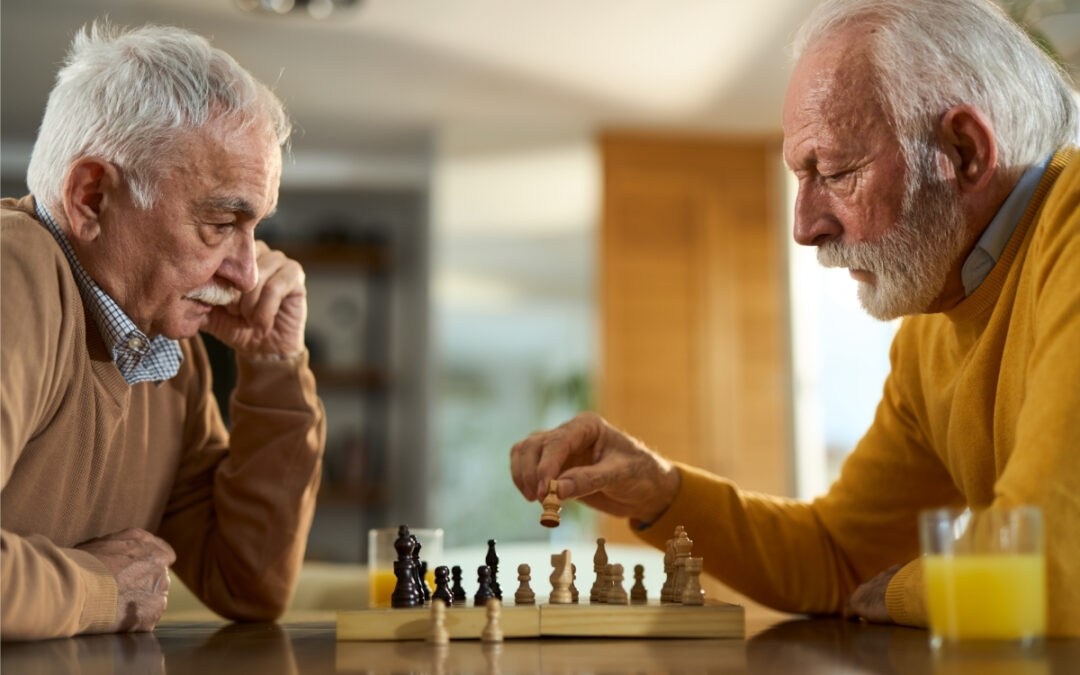
Chess or Checkers
Strategic games like chess and checkers sharpen the mind, encouraging logical thinking and problem-solving, making them excellent cognitive workouts. They can be played one-on-one, promoting meaningful interaction and conversation, as well as by oneself.
As there is no time limit between moves, playing can improve memory and concentration, especially if played regularly. Additionally, their portability and simplicity make them accessible in almost any setting, making chess or checkers a great addition to daily activities in a care home.
Card Games
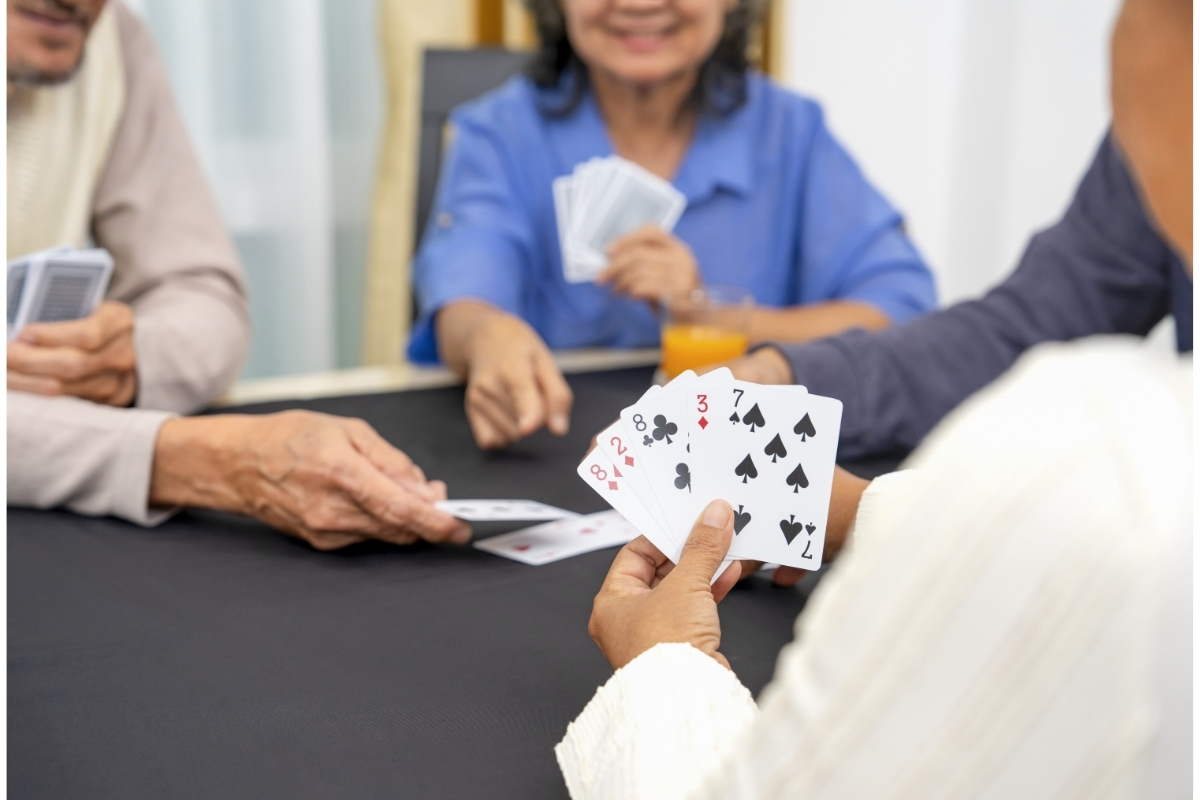
Card games like Bridge, Rummy or Solitaire offer both mental and social benefits. They often involve memory, pattern recognition and strategy, helping keep the mind sharp. As multiplayer card games encourage communication and teamwork, they can form close relationships with other card-playing enthusiasts.
The competitive yet light-hearted nature of card play can also boost mood and confidence among players. Additionally, card games are flexible and adaptable, for they take up little space and can be played casually for fun or in tournaments for a more stimulating challenge, making them a timeless and enjoyable activity for elderly people everywhere.
Motion-Based Video Games
Motion-controlled games, such as those on Nintendo Wii, offer physical activities like virtual bowling, tennis, or dancing, which promote balance, coordination and flexibility. They’re especially beneficial for elderly people who want to stay active without the strain of intense workouts. Additionally, they can be played with friends or family, creating enjoyable social experiences.
Sudoku or Crossword Puzzles
These solitary games offer a relaxing and rewarding daily habit that requires focus, patience, mental stimulation and a sense of accomplishment upon completion. They’re also highly flexible, with difficulty levels ranging from easy to challenging, allowing players to progress at their own pace. Whether done in a newspaper, book or app, Sudoku and crosswords keep the brain active and engaged in a fun and satisfying way.
Gentle Games for People with Dementia and Mobility Issues
Large-Piece Jigsaw Puzzles
Large-piece jigsaw puzzles are ideal for elderly people with cognitive decline or limited dexterity. They encourage hand-eye coordination and visual recognition while stimulating memory and problem-solving skills.
Choosing images that hold personal meaning, such as nature scenes, nostalgic settings, or a personal picture of a loved one, can further enhance engagement and memory recall, making jigsaw puzzles a therapeutic and accessible game.
Balloon Volleyball
By gently tapping a balloon back and forth, players improve coordination, balance and reflexes without strain. This low-impact physical activity can be adapted to suit different abilities, played while seated or standing and encourages social interaction and teamwork, making it a fun group activity in care homes.
Reminiscence Games
Games for elderly people that focus on recalling memories, such as ‘Guess the Year’, memory boxes or photo-based games, can stimulate and strengthen memory pathways. Sharing stories sparked by these games can boost self-esteem, create meaningful conversations and reduce feelings of isolation, making them a valuable tool for enhancing quality of life.
Classic Board Games
Traditional board games, such as Ludo, Snakes and Ladders or Guess Who, are timeless activities that encourage social interaction, strategic thinking and patience, while offering entertainment and nostalgia. These games are often easy to adapt for varying cognitive and physical abilities, making them inclusive while providing a joyful way to stay mentally active, socially engaged and emotionally uplifted.

Hello, my name is Bethany, and I am the owner, manager and third generation in the family business. I have grown up with the Chestnuts, and it is a second home to me and my children. My home/work life is very mixed, and that’s ok because being at work feels like being at home.