
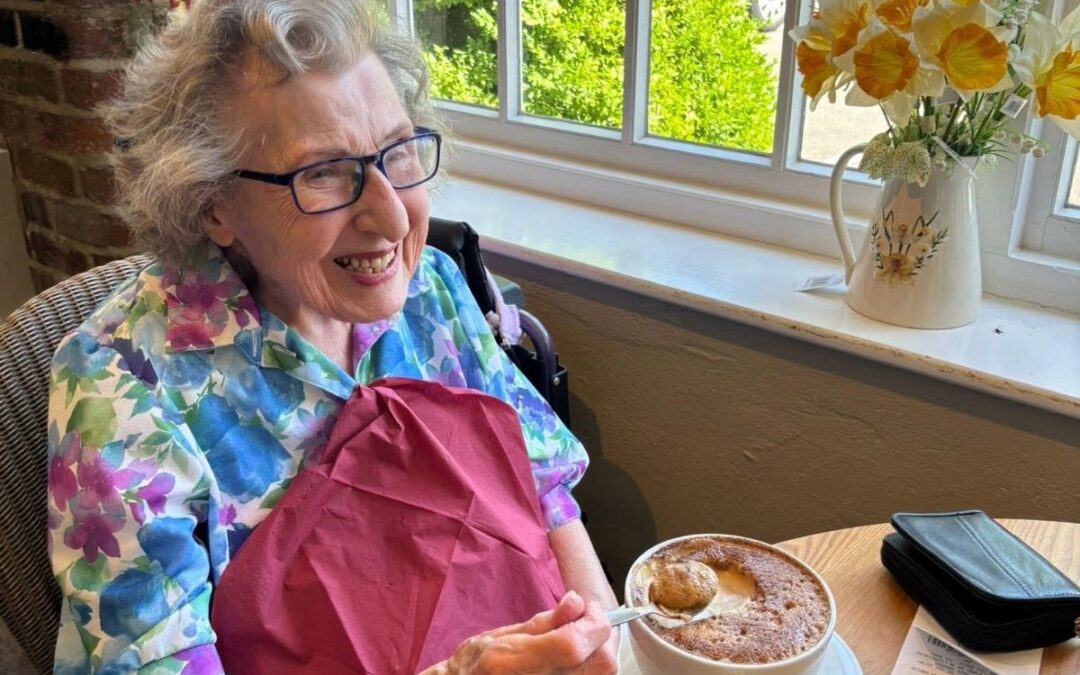
Summer can be a powerful season for memories, especially for older adults living in a care home. The warmth of the sun, the smell of freshly cut grass and the sound of an ice-cream van can all gently bring back stories from years gone by.
For families, these small triggers can become a natural way to start conversations and enjoy meaningful time together. In a warm, supportive care setting, summer also offers more opportunities to enjoy simple outdoor experiences.
A short sit in the garden, the sight of flowers in bloom or the sound of birds in the background can all encourage moments of reflection and connection. There is no need to focus on exact details or perfect memories; what matters most is the sense of comfort, familiarity and being together.
Why Summer Memories Matter
Many older people have strong memories linked to summer. They may remember childhood games outside, family holidays to the coast, long evenings in the garden, local summer fetes, and day trips. Because these memories are often tied to the senses, they can sometimes feel easier to reach than memories prompted by direct questions alone.
This is one reason reminiscence can be so valuable. Instead of asking someone to remember facts, reminiscence invites them to respond to a feeling, an image, a sound or a scent. That approach can feel gentler and more natural, particularly for those who may be living with memory loss.
Summer also tends to bring a slower, calmer atmosphere. Longer days and lighter evenings can create more opportunities for quiet visits, time outdoors and shared activities that do not feel rushed. Even a brief change of scene, such as sitting in the garden with a cool drink, can make a conversation feel easier and more relaxed.
Everyday Items That Spark Conversation
Families do not need anything complicated to encourage reminiscence. Often, familiar everyday items are enough to unlock a thought or begin a story. Objects with a seasonal connection can be especially helpful because they feel immediate and easy to engage with.
Useful prompts might include old holiday photos, seaside postcards, shells, a lightweight summer scarf, a favourite hat or even a picnic blanket with a familiar pattern. These small objects give a loved one something to look at, touch and respond to in their own time.
For some people, simply holding a familiar item is enough to bring comfort. Photos can be particularly helpful because they give the conversation a natural focus. Rather than asking lots of questions, you can sit together and slowly look through a few images. A single photo may evoke a memory of a family member, a holiday, a favourite dress, or a place once visited every summer.
Food can also be a lovely prompt. Strawberries, ice cream, cold lemonade or a simple biscuit enjoyed outdoors can bring back memories of summer treats from years ago. These sensory moments often feel more natural than formal activities and can create an easy, shared sense of enjoyment.
Gentle Questions to Ask
Open questions often work better than very specific ones. They allow your loved one to take the conversation in whatever direction feels right. If they only answer briefly, that is perfectly fine; if they want to tell a long story, that can be welcomed too.
Some gentle questions could include:
- What did you enjoy doing on a sunny day when you were younger?
- Did you have a favourite place to go in the summer?
- What foods or treats remind you of warm weather?
- Did your family have any summer traditions?
- What did summer feel like when you were a child?
Questions like these work well because they focus on impressions rather than exact facts. They leave room for emotion, sensory detail and personal reflection. That can help a loved one feel more at ease, especially if remembering names or dates is difficult. It is also important to allow silence.
A pause does not mean the moment has failed. Sometimes a person is thinking, noticing something around them or simply enjoying your company without needing to speak.
The Role of The Senses in Enjoying Memories
Summer reminiscence is often most effective when it involves the senses. A smell, taste or texture can sometimes trigger a stronger response than conversation alone. This is especially helpful for older adults who may respond better to gentle sensory experiences than to direct questioning.
Smell Can be Especially Powerful.
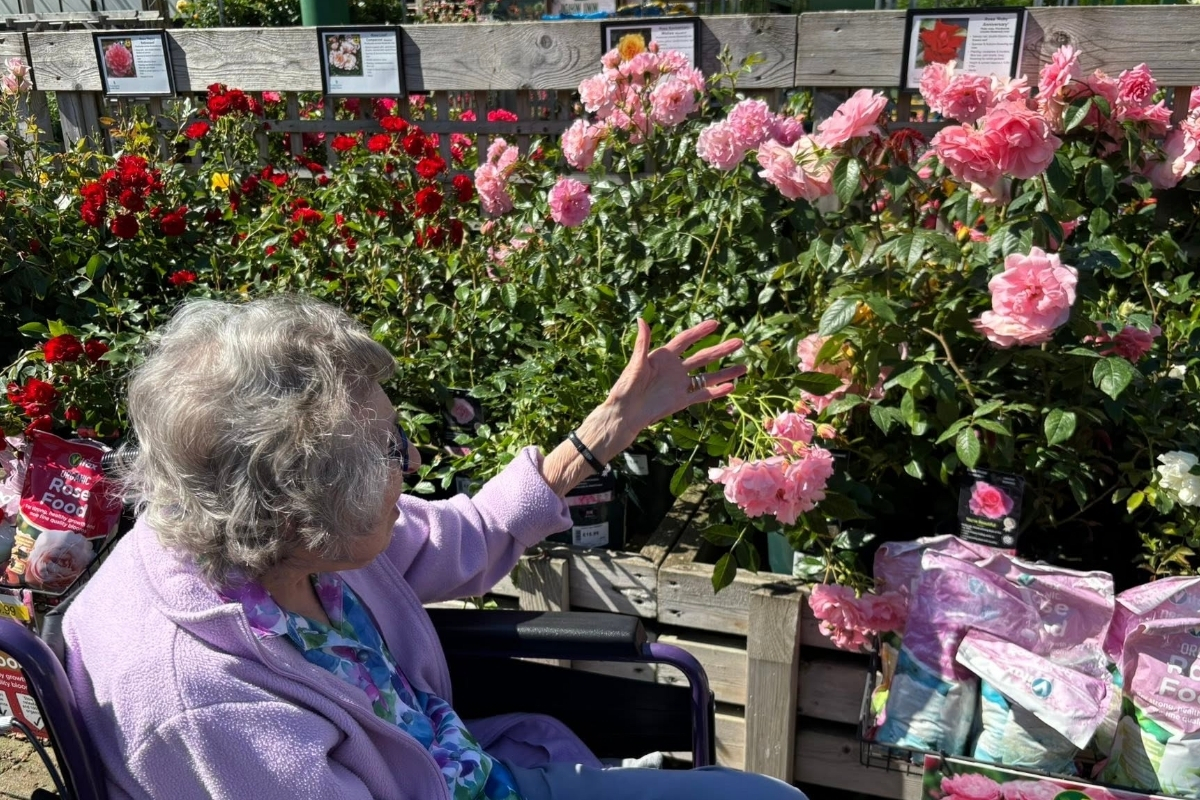
Freshly cut grass, flowers, sun cream, or even washing dried outdoors can all bring back associations with childhood, family life or holidays. Sound also plays a part, whether that is birdsong, music from earlier decades, children playing outside or familiar garden sounds.
Touch Matters Too
The feeling of a light breeze, the warmth of sunshine on the hands or the softness of a blanket over the knees can all add to the sense of comfort. When several of these small details come together, they can create an environment that feels calm, safe and emotionally meaningful.
Taste Can Complete the Picture
A spoonful of ice cream or a piece of fresh fruit may prompt a smile or a memory in a way that words cannot. These are simple things, but they often become the moments families remember most.
Supporting Someone with Memory Loss
If a loved one is living with memory loss, reminiscence should never feel like a test. The goal is not to check what they can or cannot remember. Instead, it is about helping them feel connected, valued and comfortable in the present moment. This can mean following their lead during a conversation.
If they move away from the original topic, it is often best to go with them. If they repeat a story more than once, that is all right too. Repetition can be soothing and may show that a memory still carries emotional importance.
It can also help to offer gentle prompts rather than direct pressure. For example, saying “This reminds me of seaside holidays” may be easier for someone to respond to than “Do you remember going to the seaside?”
The first invites connection; the second can sometimes create stress if the answer does not come easily.
Even very short moments of recognition can matter. A smile, a nod, a few words or a look of interest are all meaningful responses. These moments may seem small, but they can strengthen feelings of reassurance and closeness.
Making Summer Visits Feel Meaningful
Families sometimes feel pressure to plan the perfect visit. In reality, meaningful visits are often the simplest ones. Sitting together in the shade, sharing a drink, looking at photographs or listening to familiar music can be more valuable than filling every minute with activity.
The most important thing is to keep the experience relaxed. Visits tend to go best when there is time to pause, observe and respond naturally. A quiet garden setting, a comfortable chair and a calm pace can all help a loved one feel more settled.
For relatives, these gentle summer moments can also bring comfort. They offer a way to connect that does not depend on clear memory or a perfectly flowing conversation. Instead, the visit becomes about companionship, warmth and being present together.
Small Moments, Lasting Value
Summer reminiscence does not need to be complicated. Often, the most meaningful moments come from ordinary things: a warm afternoon, a familiar photograph, the smell of flowers or the taste of a favourite treat.
These experiences can help older loved ones feel connected to their past, to the people around them and to the simple pleasures of the season. For families, that can be deeply reassuring. A shared smile, a recalled story or even a peaceful silence in the garden can all hold real value.
When approached gently, summer can offer wonderful opportunities to create connection one small moment at a time.

Hello, my name is Bethany, and I am the owner, manager and third generation in the family business. I have grown up with the Chestnuts, and it is a second home to me and my children. My home/work life is very mixed, and that’s ok because being at work feels like being at home.