

Navigating the world of care services can feel overwhelming when you or a loved one needs extra support. With so many care options available in the UK, it can be difficult to know which one is the right fit for your specific care needs.
Whether you’re looking for long-term support, a temporary break, or simply some daytime assistance, understanding the differences is the first step. This guide will walk you through residential, respite, and day care, helping you make an informed decision with confidence.
Overview of Care Options in the UK
In the UK, you’ll find a variety of care facilities designed to meet different needs. Care providers offer several types of care, from full-time residential support to short-term solutions, ensuring everyone can find the help they require.
Each option is tailored to specific care requirements. Understanding what each service entails is key to finding the perfect match for you or a family member. Let’s explore these care options in more detail.
What is Residential Care?
Residential care, sometimes known as ‘assisted living’, is for individuals who need support with activities of daily living but don’t require nursing care. It provides a safe and secure environment in a care home where residents can receive help with tasks such as washing, dressing, and managing medication. The key idea is that the care home becomes the person’s new home.
This type of care is designed to enhance the quality of life while helping individuals maintain a degree of independence. A personalised care plan is created for each resident to ensure their specific needs are met. This allows them to live comfortably in a community setting with support available whenever it’s needed.
Unlike day care, which is for a set number of hours during the day, residential care is a full-time living arrangement. It offers round-the-clock support and accommodation, making it a long-term solution for those who can no longer live independently at home.
What is Respite Care?
Respite care is a short-term care service that provides temporary relief for a primary caregiver. It involves a professional caregiver stepping in to provide support, allowing the main carer to take a much-needed break. This break can be for a few hours, a few days, or even a few weeks.
This type of care benefits both the person receiving care and their family caregiver. For the caregiver, it prevents burnout and provides an opportunity to rest, socialise, or attend to personal matters. For the person being cared for, it ensures they continue to receive high-quality support from a trained professional in a safe environment.
What is Day Care in a Care Home?
Day care in a care home, also known as adult day care, offers care and companionship during the day. Individuals attend the care home for a set period, participate in daily activities and socialise with others, before returning to their own homes in the evening. It provides a structured and supportive environment without requiring an overnight stay.
These care facilities offer a range of engaging activities designed to provide mental stimulation and social interaction. It’s a great way for older adults to stay active and connected within their community while receiving the support they need during the day.
Unlike respite care, which can be for a longer, continuous period to give a carer a break, day care is typically a regular, scheduled service that happens on specific days. It focuses on providing daily structure and social opportunities, whereas residential care is a full-time living arrangement.
Residential Care Homes Explained
A residential care home offers a supportive living environment for individuals who need help with daily tasks but do not have complex medical needs requiring a nurse. These care facilities are designed to feel like a home, balancing independence with necessary support.
Typical Services and Support Provided
In a residential care home, the care team provides comprehensive support tailored to each resident’s needs. The focus is on assisting with activities of daily living to ensure everyone is comfortable, safe, and well cared for. While residents don’t usually have significant medical needs, support with medication management is a common service.
The goal is to help individuals live as independently as possible while providing a safety net of support. The services offered create a hassle-free living environment where residents can focus on enjoying their time.
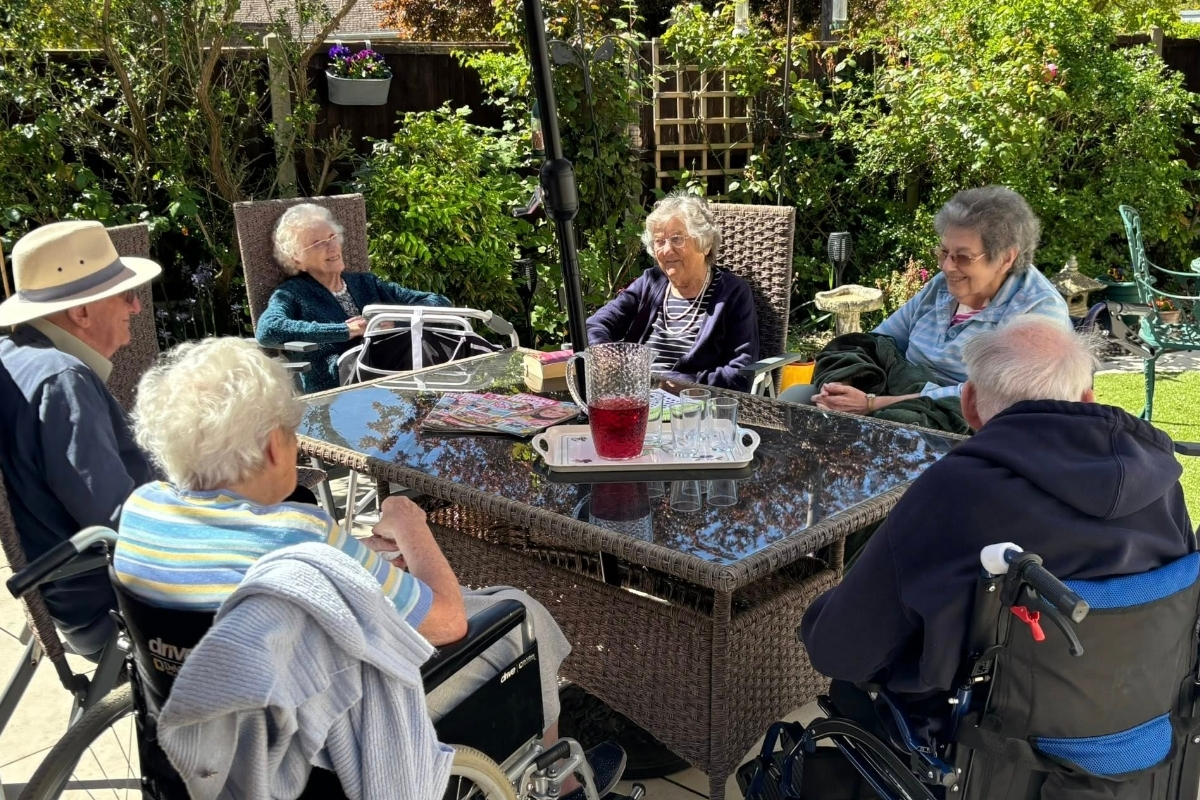
Day-to-Day Life and Activities (Gardening, Music, Socialising)
Life in a residential care home is designed to be engaging and fulfilling, with a strong focus on enhancing the quality of life for every resident. A varied programme of daily activities ensures there is always something to do, promoting both physical and mental stimulation. The aim is to create a supportive environment where residents can continue their hobbies or discover new ones.
Social activities are at the heart of the community. Residents are encouraged to socialise and build friendships, whether by chatting over a cup of tea, listening to music together, or taking part in group events. For those with a green thumb, many homes have gardens where residents can enjoy gardening.
Who is Residential Care Ideal For?
Residential care is ideal for elderly individuals who are finding it difficult to manage at home but do not require round-the-clock nursing care. It’s for those who need support with personal care and daily tasks but can otherwise manage their own health without constant medical supervision.
This type of care is particularly beneficial for people who feel isolated or lonely at home and would benefit from a community setting. While residential homes can support some medical conditions, those with complex needs or advanced dementia care requirements might be better suited to a nursing home.
Respite Care Services in the UK
Respite care services in the UK are a vital lifeline for unpaid carers. These services offer a temporary break, ensuring that both the carer and the person they support get the rest they need. A respite care provider can step in for a short period to offer professional support.
There are several types of respite care available, each designed to fit different routines and needs. From short stays in a care home to help at home, these options provide flexibility and peace of mind.
How Respite Care Works for Families and Carers
Respite care provides family caregivers with a planned break from their duties. Caring for a loved one is rewarding, but it can also be physically and emotionally demanding. Respite care helps to prevent caregiver burnout by providing time for the primary caregiver to rest, recharge, and focus on their own well-being.
This temporary support offers much-needed peace of mind. Families can relax knowing their loved one is being looked after by trained professionals in a safe and supportive environment. This allows the primary caregiver to take a holiday, attend appointments, or simply have some quiet time at home.
Key Benefits of Respite Care
One of the main benefits of respite care is its significant positive impact on a primary caregiver’s mental health. It provides a crucial break, reducing the risk of burnout and allowing carers to attend to their own needs. This ensures they can continue to provide high-quality care in the long run.
Respite care also enhances the quality of life for the person receiving care. It offers them new experiences, a change of routine, and the chance to socialise with different people. This can lead to new friendships and a greater sense of belonging and empowerment.
Day Care in Care Homes
Day care in a care home, often called adult day care, provides a structured and sociable environment for individuals during daytime hours. Participants visit the care home or day centre for the day and return home in the evening.
This service is a fantastic way to break up the week, offering a change of scenery and a chance to interact with others. It provides valuable support without the commitment of full-time residential care.
How Day Care Differs from Residential and Respite Care
Understanding the differences between the types of care is crucial for choosing the right support. Day care is distinct from both residential and respite care primarily because of its duration and purpose. It focuses on providing daytime support and socialisation on a regular, scheduled basis.
Unlike residents of residential care, who live full-time, day care participants return home every evening. It meets different care requirements, focusing on daily engagement rather than 24/7 support for daily living. A care plan may still be used, but it’s focused on the adult day services provided.
The difference between respite and day care is that day care is typically a routine arrangement, whereas respite care provides short-term, continuous relief.
Activities and Social Opportunities in Day Care
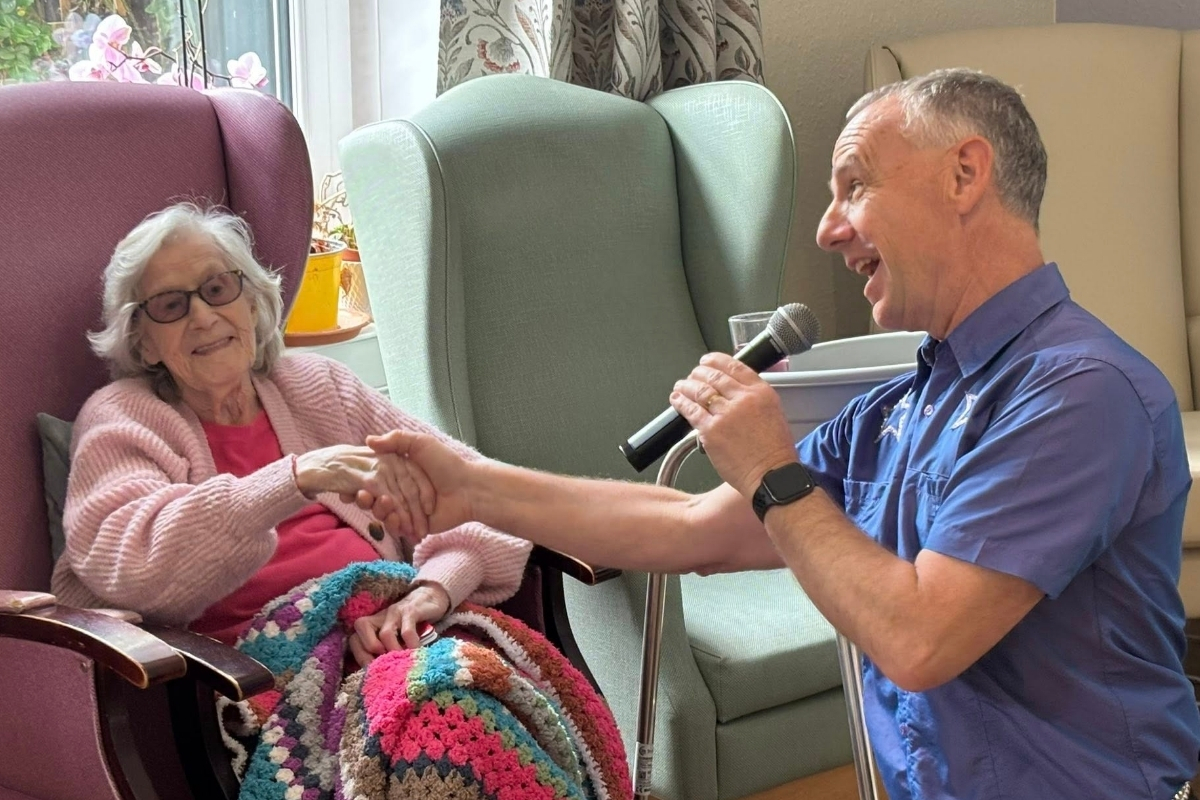
An adult day centre offers a wealth of activities and social opportunities designed to promote well-being and mental stimulation. The daily activities are planned to be enjoyable and accessible for everyone, creating a lively and engaging atmosphere within a secure environment.
When a loved one tries daycare for the first time, you can expect them to be warmly welcomed into a friendly community. The staff will help them settle in and introduce them to other attendees and the range of activities available. The goal is to make them feel comfortable and included from the very first visit.
Personalised Care Options
In conclusion, understanding the different types of care available in the UK—residential, respite, and day care—is essential for making informed decisions for yourself or a loved one. Each care option offers unique benefits, from the supportive environment of residential care homes to the flexibility of respite care for family carers and the social opportunities provided by day care.
Engaging in activities like gardening, listening to music, and socialising with friends can significantly enhance the quality of life for residents and attendees alike. By choosing the right type of care, you can ensure that individuals receive the support they need while enjoying fulfilling experiences. If you’d like more information or assistance navigating these options, contact us to learn more about our family-run care facilities.

Hello, my name is Bethany, and I am the owner, manager and third generation in the family business. I have grown up with the Chestnuts, and it is a second home to me and my children. My home/work life is very mixed, and that’s ok because being at work feels like being at home.